Chewy Gingerbread Bars have the deep molasses flavor and warm spices of classic gingerbread in an easy-to-slice bar cookie. Brown sugar and melted butter keep the centers soft and chewy, while ginger, cinnamon, cloves, and nutmeg create a rich holiday spice profile.
This recipe bakes in a 9 × 13-inch pan and requires no rolling, chilling, or cookie cutters. The bars need to cool completely before slicing so the chewy center can set without becoming dry.
Why This Recipe Works
- Brown sugar and molasses hold onto moisture. Together they help create a chewy center instead of a dry, cakey crumb.
- Melted butter keeps the batter dense and easy to mix. It encourages a fudgier bar-cookie texture without needing to cream butter.
- A balanced spice blend gives depth. Ginger leads the flavor while cinnamon, cloves, and nutmeg add warmth.
- A moderate amount of flour provides structure without toughness. The bars hold together cleanly while remaining soft.
- Cooling fully improves the texture. The bars continue setting after baking and become easier to slice once completely cool.
Equipment Needed
- 9 × 13-inch metal baking pan
- Parchment paper
- Large mixing bowl
- Medium mixing bowl
- Whisk
- Rubber spatula
- Wire cooling rack
- Sharp knife
Ingredients List
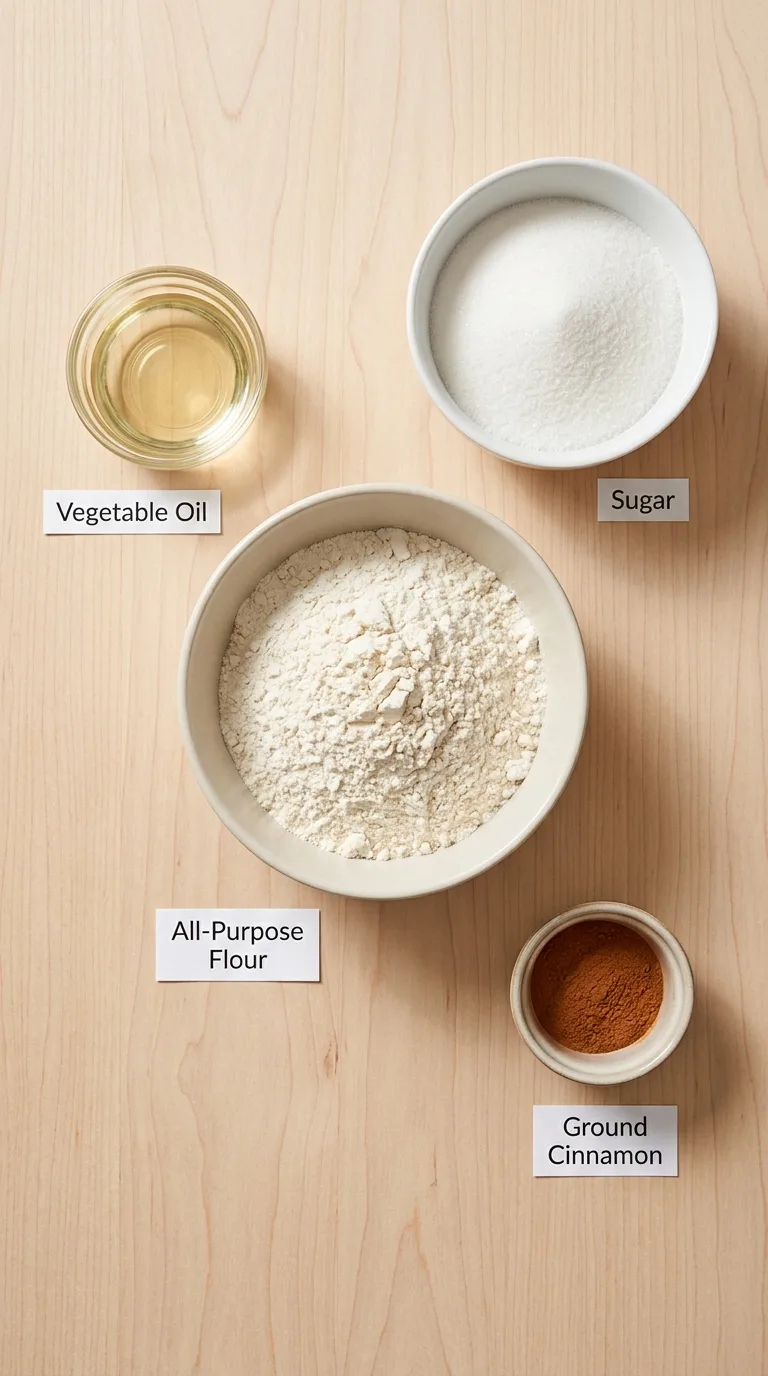
For the Gingerbread Bars
- 1 cup (226 g) unsalted butter, melted and slightly cooled
- 1¼ cups (275 g) packed dark brown sugar
- ⅓ cup (113 g) unsulphured molasses, not blackstrap
- 2 large eggs (about 100 g without shells), at room temperature
- 2 teaspoons (10 mL) pure vanilla extract
- 2¼ cups (281 g) all-purpose flour, spooned and leveled
- 1 teaspoon (5 g) baking soda
- ½ teaspoon (about 3 g) fine salt
- 2 teaspoons (about 4 g) ground ginger
- 1½ teaspoons (about 4 g) ground cinnamon
- ¼ teaspoon (about 0.5 g) ground cloves
- ¼ teaspoon (about 0.5 g) ground nutmeg
Optional Garnish
- 2 tablespoons (15 g) powdered sugar, optional, for dusting
Ingredient Notes and Substitutions
- Molasses: Unsulphured molasses gives the bars their dark color, moisture, and characteristic gingerbread flavor. Blackstrap molasses is not recommended because it is much more bitter and less sweet. Honey or maple syrup are not reliable direct substitutes because they change both the flavor and texture.
- Dark Brown Sugar: Dark brown sugar adds moisture and reinforces the molasses flavor. Light brown sugar can be substituted in the same amount for a milder flavor and slightly lighter bars.
- Unsalted Butter: Melted butter creates richness and a dense, chewy texture. Salted butter can be substituted, but reduce the added fine salt to ¼ teaspoon.
- Ground Ginger: Ground ginger provides the main spicy warmth. Fresh ginger is not a direct substitute because it adds moisture and produces a sharper, fresher flavor.
- All-Purpose Flour: All-purpose flour provides enough structure for the bars to hold together while keeping the crumb tender. Bread flour is not recommended because its higher protein content can make the bars tougher.
Step-by-Step Instructions
1. Prepare the Oven and Pan
Preheat the oven to 350°F (175°C).
Line a 9 × 13-inch metal baking pan with parchment paper, leaving overhang on two sides for easier removal.
Lightly grease any exposed sides of the pan.
2. Combine the Butter and Brown Sugar
In a large mixing bowl, whisk the melted butter and dark brown sugar for about 1 minute.
The mixture should look glossy and mostly smooth.
3. Add the Molasses, Eggs, and Vanilla
Whisk in the molasses until evenly combined.
Add the eggs one at a time, whisking well after each addition.
Stir in the vanilla extract.
The mixture should be smooth, thick, and deep brown.
4. Mix the Dry Ingredients
In a medium bowl, whisk together the flour, baking soda, fine salt, ginger, cinnamon, cloves, and nutmeg.
Whisk thoroughly so the spices and baking soda are evenly distributed.
5. Make the Batter
Add the dry ingredients to the molasses mixture.
Fold gently with a rubber spatula just until no streaks of dry flour remain.
The batter should be thick, sticky, and spreadable.
Do not overmix.
6. Spread the Batter
Transfer the batter to the prepared 9 × 13-inch pan.
Use the spatula to spread it into an even layer, making sure the corners are filled and the center is not noticeably thicker than the edges.
7. Bake the Bars
Bake at 350°F (175°C) for 22–26 minutes.
The edges should look set and slightly darker, while the center should be soft but no longer wet.
A toothpick inserted near the center should come out with a few moist crumbs rather than raw batter.
Avoid baking until the toothpick is completely dry, which can make the bars less chewy.
8. Cool in the Pan
Place the pan on a wire rack and let the bars cool for 20 minutes.
They will continue setting as they cool.
9. Cool Completely
Use the parchment overhang to lift the slab carefully from the pan.
Transfer it to the wire rack and cool for another 40 minutes.
The center should feel firm enough to cut while remaining soft and chewy.
10. Slice and Finish
Cut the cooled slab into 24 bars.
For neat portions, wipe the knife between cuts.
If desired, dust lightly with the optional powdered sugar just before serving.
Storage, Freezing, and Make-Ahead Instructions
- Room-Temperature Storage: Store completely cooled Chewy Gingerbread Bars in an airtight container at room temperature for up to 4 days. Place parchment paper between layers if stacking. Add powdered sugar only shortly before serving because it can absorb moisture during storage.
- Refrigeration: Refrigeration is not necessary and can make the bars firmer. If you refrigerate them, let the bars return to room temperature before serving for the softest texture.
- Freezing: Wrap individual cooled bars tightly and place them in a freezer-safe container or bag. Freeze for up to 3 months.
- Thawing: Thaw the bars in their wrapping at room temperature. Once thawed, add the optional powdered sugar if desired.
- Make-Ahead Preparation: Bake the bars up to 2 days ahead and store them tightly covered at room temperature. For the freshest cut edges, keep the baked slab whole and slice it closer to serving.
FAQ
Can I make Chewy Gingerbread Bars ahead of time?
Yes. Bake them up to 2 days ahead and keep them in an airtight container at room temperature. They also freeze well for up to 3 months.
Why are my gingerbread bars cakey instead of chewy?
Too much flour, overmixing, or overbaking can create a cakier texture. Measure the flour carefully and remove the bars when a toothpick still has a few moist crumbs.
Can I use blackstrap molasses?
It is not recommended. Blackstrap molasses is much more bitter and less sweet than regular unsulphured molasses and will noticeably change the flavor.
Can I add chocolate chips?
Yes. Fold up to 1 cup (170 g) semisweet or white chocolate chips into the batter after the dry ingredients are almost incorporated. The bars will be sweeter and slightly chunkier.
How do I know when gingerbread bars are done?
The edges should be set, the center should no longer look wet, and a toothpick should come out with a few moist crumbs. The bars continue setting as they cool.

Chewy Gingerbread Bars
Ingredients
For the Gingerbread Bars
- 1 cup (226 g) unsalted butter melted and slightly cooled
- 1 1/4 cups (275 g) packed dark brown sugar
- 1/3 cup (113 g) unsulphured molasses not blackstrap
- 2 large eggs (about 100 g without shells) at room temperature
- 2 teaspoons (10 mL) pure vanilla extract
- 2 1/4 cups (281 g) all-purpose flour spooned and leveled
- 1 teaspoon (5 g) baking soda
- 1/2 teaspoon (about 3 g) fine salt
- 2 teaspoons (about 4 g) ground ginger
- 1 1/2 teaspoons (about 4 g) ground cinnamon
- 1/4 teaspoon (about 0.5 g) ground cloves
- 1/4 teaspoon (about 0.5 g) ground nutmeg
Optional Garnish
- 2 tablespoons (15 g) powdered sugar optional, for dusting
Instructions
Method
- Preheat the oven to 350°F (175°C) . Line a 9 × 13-inch metal baking pan with parchment paper, leaving overhang on two sides for easier removal. Lightly grease any exposed sides of the pan.
- In a large mixing bowl, whisk the melted butter and dark brown sugar for about 1 minute. The mixture should look glossy and mostly smooth.
- Whisk in the molasses until evenly combined: Add the eggs one at a time, whisking well after each addition. Stir in the vanilla extract. The mixture should be smooth, thick, and deep brown.
- In a medium bowl, whisk together the flour, baking soda, fine salt, ginger, cinnamon, cloves, and nutmeg. Whisk thoroughly so the spices and baking soda are evenly distributed.
- Add the dry ingredients to the molasses mixture: Fold gently with a rubber spatula just until no streaks of dry flour remain. The batter should be thick, sticky, and spreadable. Do not overmix.
- Transfer the batter to the prepared 9 × 13-inch pan. Use the spatula to spread it into an even layer, making sure the corners are filled and the center is not noticeably thicker than the edges.
- Bake at 350°F (175°C) for 22–26 minutes . The edges should look set and slightly darker, while the center should be soft but no longer wet. A toothpick inserted near the center should come out with a few moist crumbs rather than raw batter. Avoid baking until the toothpick is completely dry, which can make the bars less chewy.
- Place the pan on a wire rack and let the bars cool for 20 minutes. They will continue setting as they cool.
- Use the parchment overhang to lift the slab carefully from the pan. Transfer it to the wire rack and cool for another 40 minutes. The center should feel firm enough to cut while remaining soft and chewy.
- Cut the cooled slab into 24 bars: For neat portions, wipe the knife between cuts. If desired, dust lightly with the optional powdered sugar just before serving.