
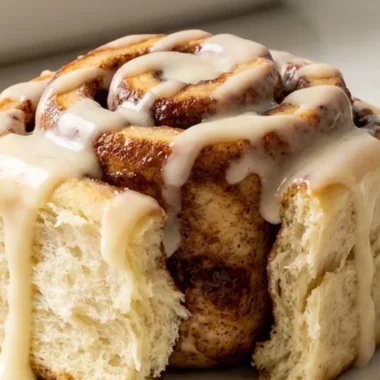
Cinnamon Rolls are soft, fluffy yeast rolls filled with buttery cinnamon sugar and finished with a creamy vanilla glaze. The dough bakes up tender and pillowy, while the cinnamon filling melts into the layers for a warm, sweet center.
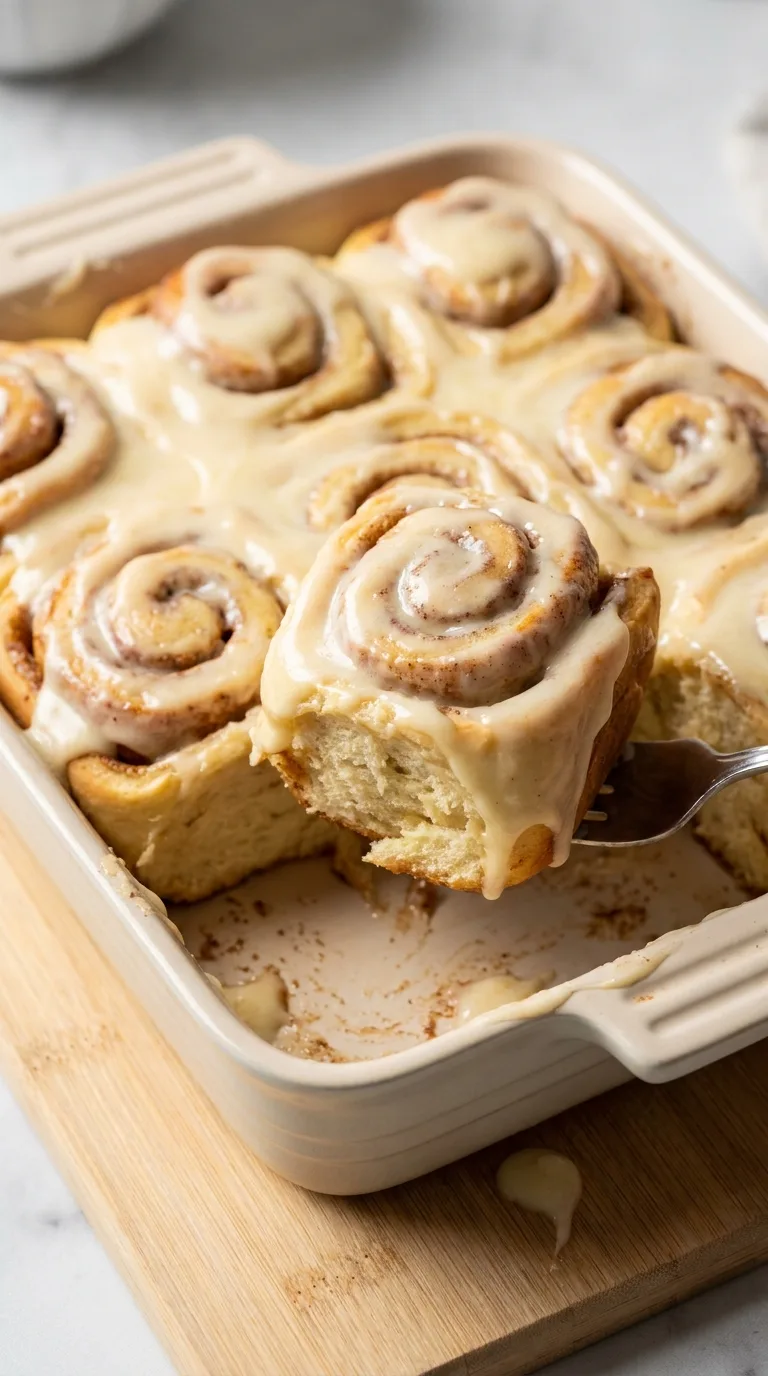
This recipe uses a simple enriched dough and a generous cinnamon-butter filling. The rolls can be prepared ahead and refrigerated overnight, making them especially convenient for a weekend breakfast or brunch.
Why This Recipe Works
- Warm milk helps create a tender dough: Milk adds moisture and richness while keeping the finished rolls soft.
- An enriched dough gives the rolls a fluffy crumb: Butter and egg contribute richness without making the dough difficult to shape.
- A generous cinnamon filling creates distinct layers: Soft butter helps the cinnamon sugar adhere evenly and prevents dry patches.
- A snug arrangement keeps the rolls tall: Baking the rolls close together encourages them to rise upward as they bake.
- The glaze adds moisture and sweetness: Spreading it over warm rolls allows it to soften the tops slightly while coating the cinnamon layers.
Equipment Needed
- 9 x 13-inch (23 x 33 cm) baking pan
- Large mixing bowl
- Rolling pin
- Measuring cups and spoons or kitchen scale
- Small saucepan or microwave-safe bowl
- Rubber spatula
- Sharp knife or unflavored dental floss
- Wire cooling rack
Ingredients List
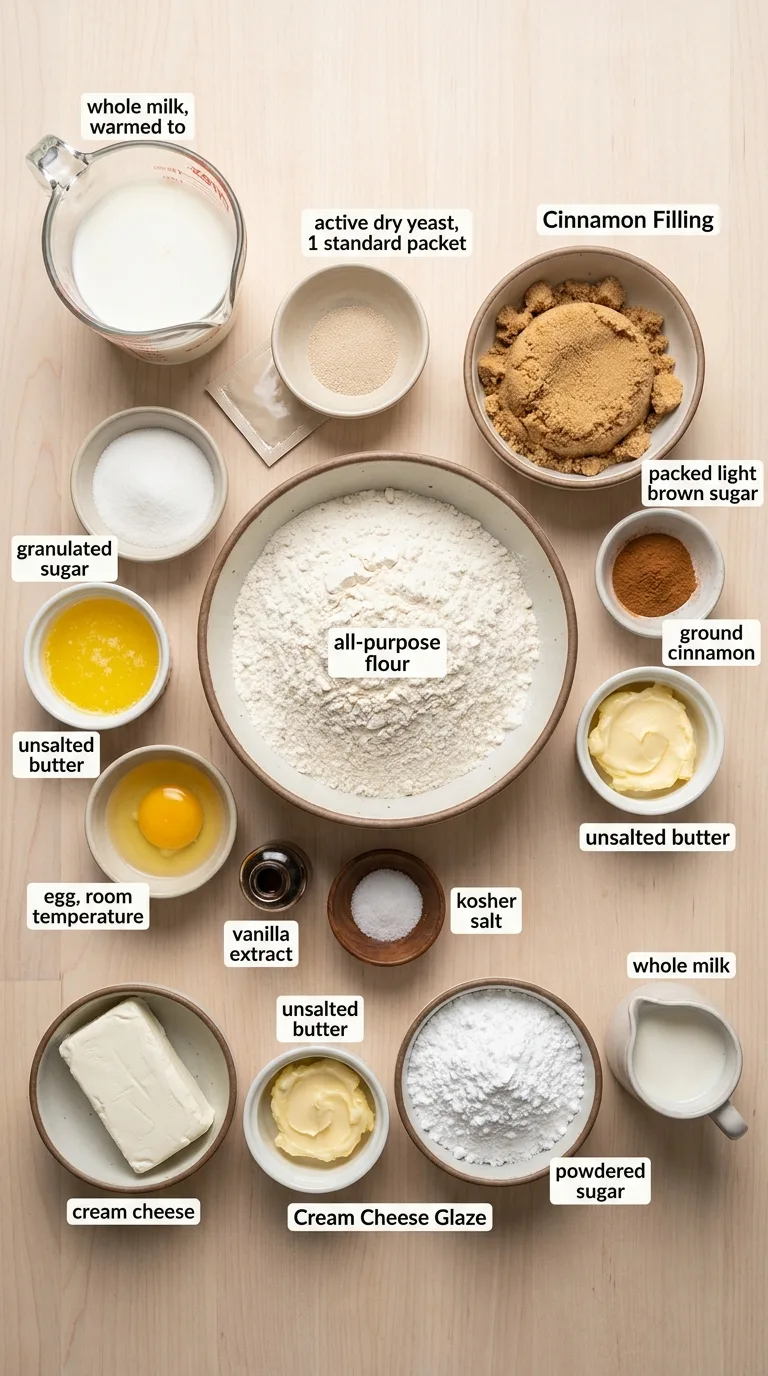
Dough
- 1 cup whole milk (240 ml), warmed to about 105°F (40°C)
- 2 1/4 teaspoons active dry yeast (7 g), 1 standard packet
- 1/4 cup granulated sugar (50 g)
- 1/4 cup unsalted butter (57 g), melted and cooled slightly
- 1 large egg (50 g), room temperature
- 1 teaspoon vanilla extract (5 ml)
- 3 1/2 cups all-purpose flour (420 g), plus more for the work surface if needed
- 1 teaspoon kosher salt (6 g)
Cinnamon Filling
- 1/2 cup packed light brown sugar (100 g)
- 2 tablespoons ground cinnamon (16 g)
- 1/4 cup unsalted butter (57 g), softened
Cream Cheese Glaze
- 4 ounces cream cheese (113 g), softened
- 2 tablespoons unsalted butter (28 g), softened
- 1 cup powdered sugar (120 g)
- 1 teaspoon vanilla extract (5 ml)
- 2 tablespoons whole milk (30 ml)
Ingredient Notes and Substitutions
- Whole milk: Milk gives the dough a soft, rich crumb. Two-percent milk can be substituted, but the rolls may be slightly less rich. Avoid skim milk if possible for the most tender texture.
- Active dry yeast: Yeast provides the rise and characteristic fluffy texture. Instant yeast can replace it in the same quantity; it can be mixed directly with the flour instead of being dissolved in the warm milk.
- All-purpose flour: All-purpose flour provides enough gluten structure for the dough while keeping the rolls tender. Bread flour can be used, but it may produce a slightly chewier roll.
- Brown sugar: Brown sugar adds moisture and a deeper caramel-like flavor to the filling. Light or dark brown sugar both work; dark brown sugar will give the filling a stronger molasses flavor.
- Cream cheese: Cream cheese creates a tangy, creamy glaze that balances the sweet rolls. For a simple vanilla glaze, replace it with an additional 2 tablespoons softened butter and add 1 to 2 extra tablespoons milk as needed for consistency.
Step-by-Step Instructions
Step 1: Activate the yeast.
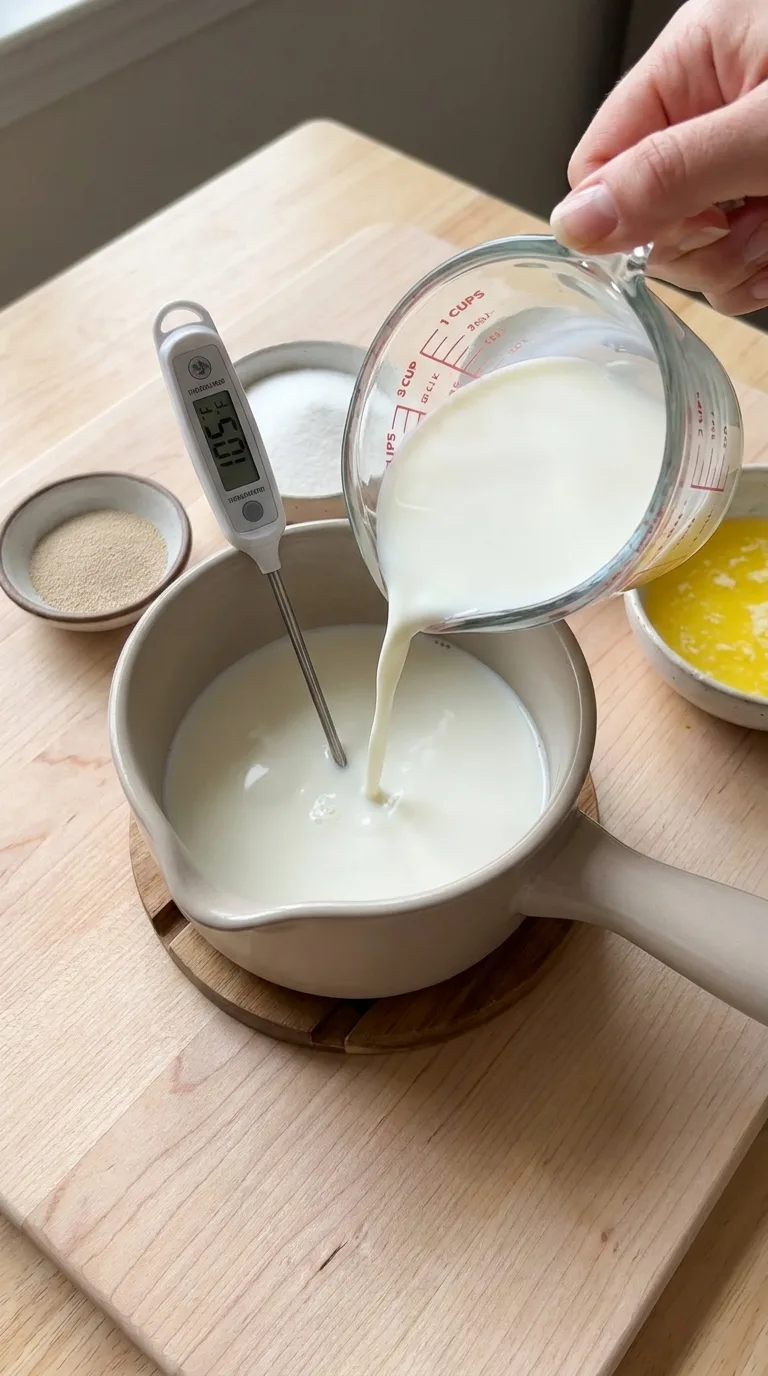
Warm the milk to about 105°F (40°C); it should feel warm but not hot. Stir in the yeast and 1 tablespoon of the granulated sugar. Let stand for 5 to 10 minutes, until the surface looks slightly foamy. If there is no sign of activity, the yeast may be inactive and should be replaced.
Step 2: Make the dough.
Add the remaining sugar, melted butter, egg, and vanilla to the yeast mixture. Stir to combine. Add the flour and kosher salt and mix until a shaggy dough forms.
Step 3: Knead until smooth.
Transfer the dough to a lightly floured surface and knead for about 7 to 9 minutes, or until it becomes smooth, elastic, and slightly tacky. If the dough is extremely sticky, add flour 1 tablespoon at a time; avoid adding large amounts because a stiff dough can produce dense rolls.
Step 4: First rise.
Place the dough in a lightly greased bowl and cover it with a clean kitchen towel or plastic wrap. Let it rise in a warm, draft-free place for about 60 to 75 minutes, or until approximately doubled in size.
Step 5: Prepare the filling and pan.
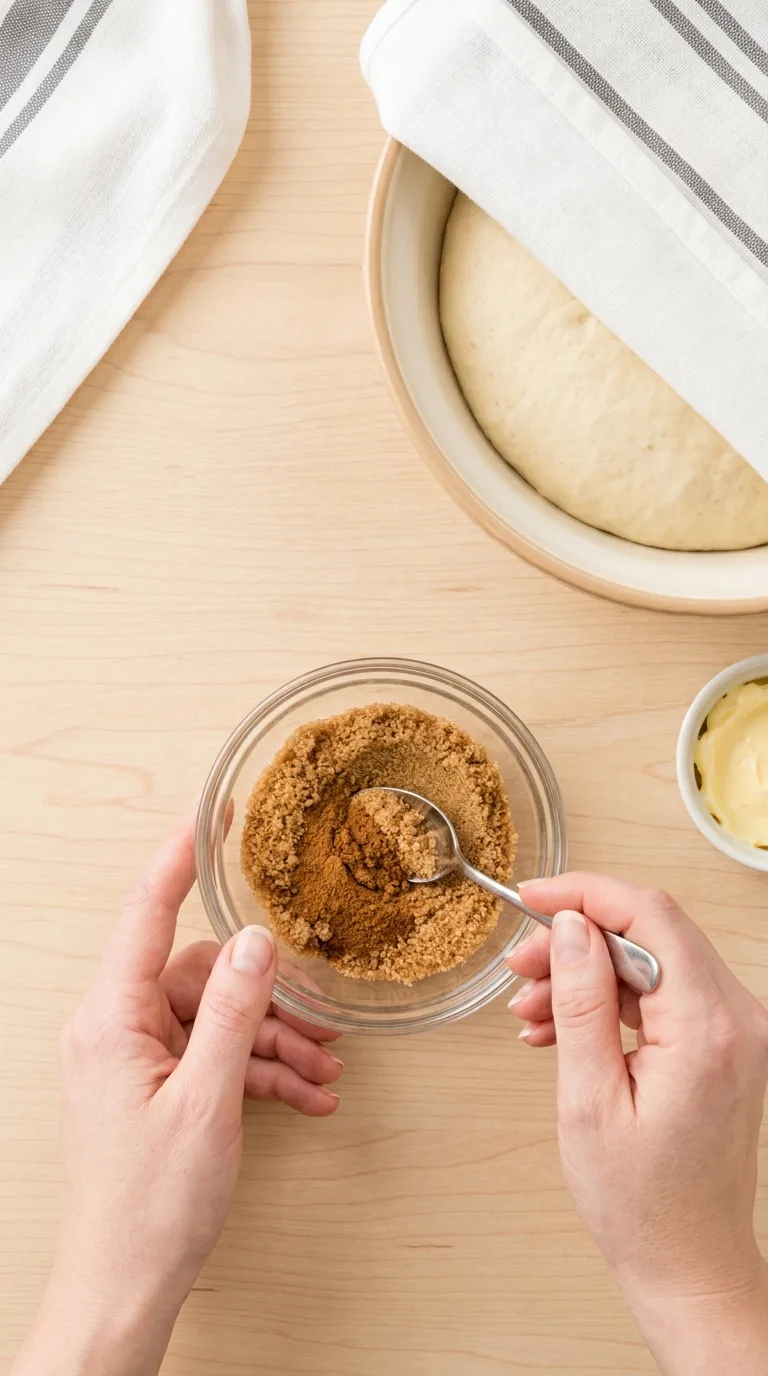
While the dough rises, combine the brown sugar and cinnamon in a small bowl. Grease a 9 x 13-inch (23 x 33 cm) baking pan. Keep the softened butter ready for spreading.
Step 6: Roll out the dough.
Turn the risen dough onto a lightly floured surface and gently press out excess air. Roll it into a rectangle approximately 15 x 12 inches (38 x 30 cm), with the long side facing you. Try to keep the thickness even.
Step 7: Add the cinnamon filling.
Spread the softened butter evenly over the dough, leaving about a 1/2-inch (1.3 cm) border along one long edge. Sprinkle the cinnamon-brown sugar mixture evenly over the butter.
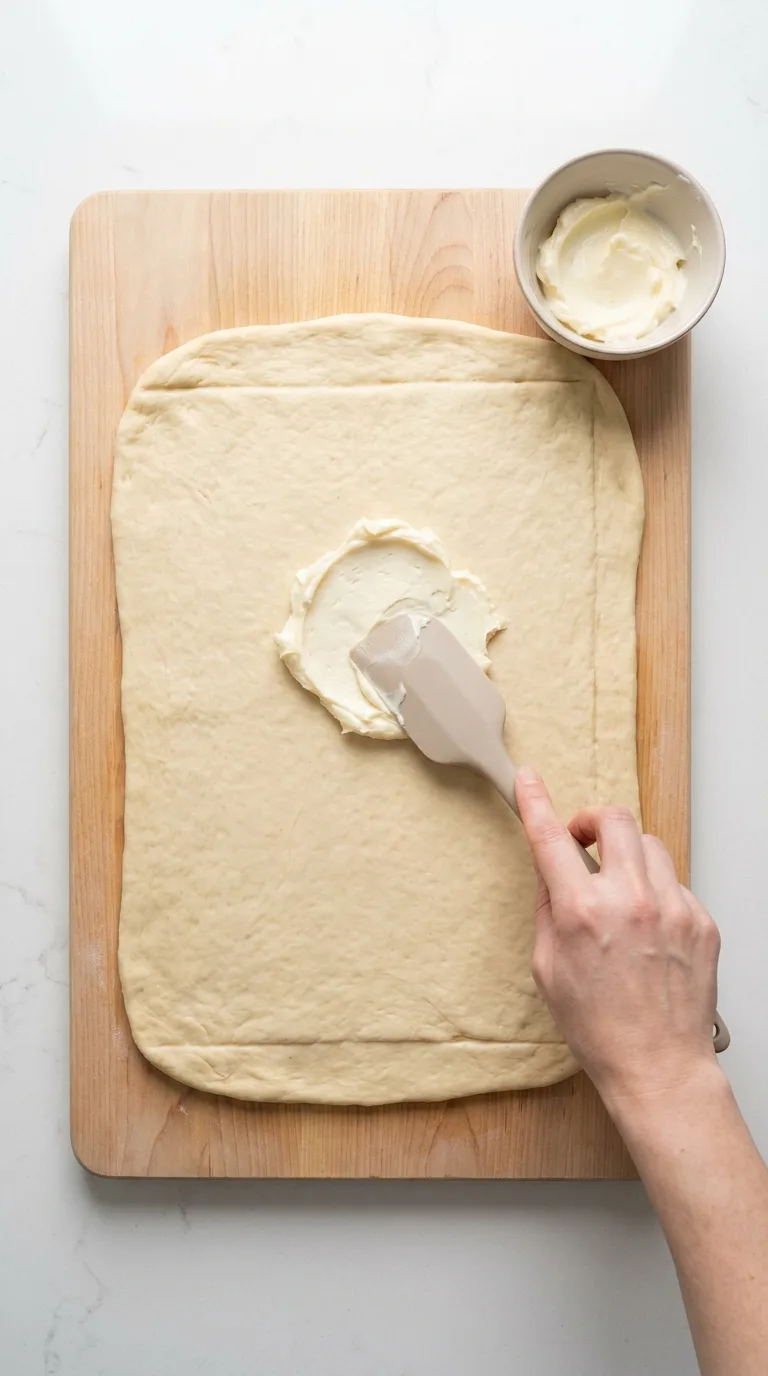
Step 8: Roll the dough.
Starting from the long edge opposite the clean border, roll the dough tightly into a log. Keep the roll firm enough to create defined spirals without squeezing the filling out. Pinch the seam gently closed.
Step 9: Cut the rolls.
Trim the ends if they are uneven. Cut the log into 12 equal pieces using a sharp knife or unflavored dental floss. Arrange the rolls cut-side up in the prepared pan, leaving a little space between them.
Step 10: Second rise.
Cover the pan and let the rolls rise for about 30 to 45 minutes, until noticeably puffy and the gaps between the rolls have mostly filled. They do not need to fully double again.
Step 11: Bake.
Preheat the oven to 350°F (175°C). Bake the rolls for 22 to 27 minutes, until the tops are lightly golden and the centers are cooked through. If the tops brown too quickly, loosely cover the pan with foil during the final portion of baking.
Step 12: Make the glaze.
While the rolls bake, beat the softened cream cheese and butter until smooth. Add the powdered sugar and vanilla and mix until creamy. Add the milk gradually until the glaze is thick but spreadable.
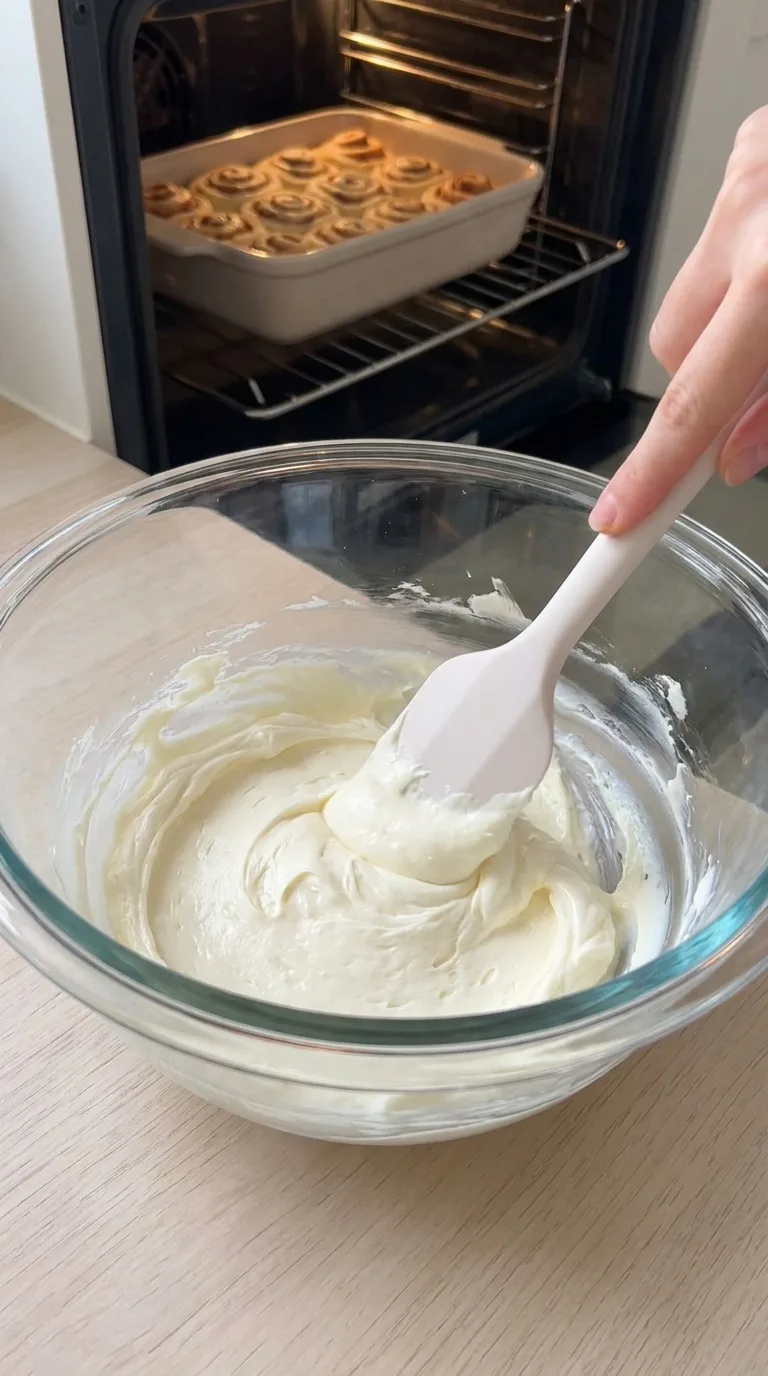
Step 13: Glaze and serve.
Let the rolls cool in the pan for about 5 to 10 minutes. Spread the cream cheese glaze over the warm rolls so it melts slightly into the tops. Serve warm.
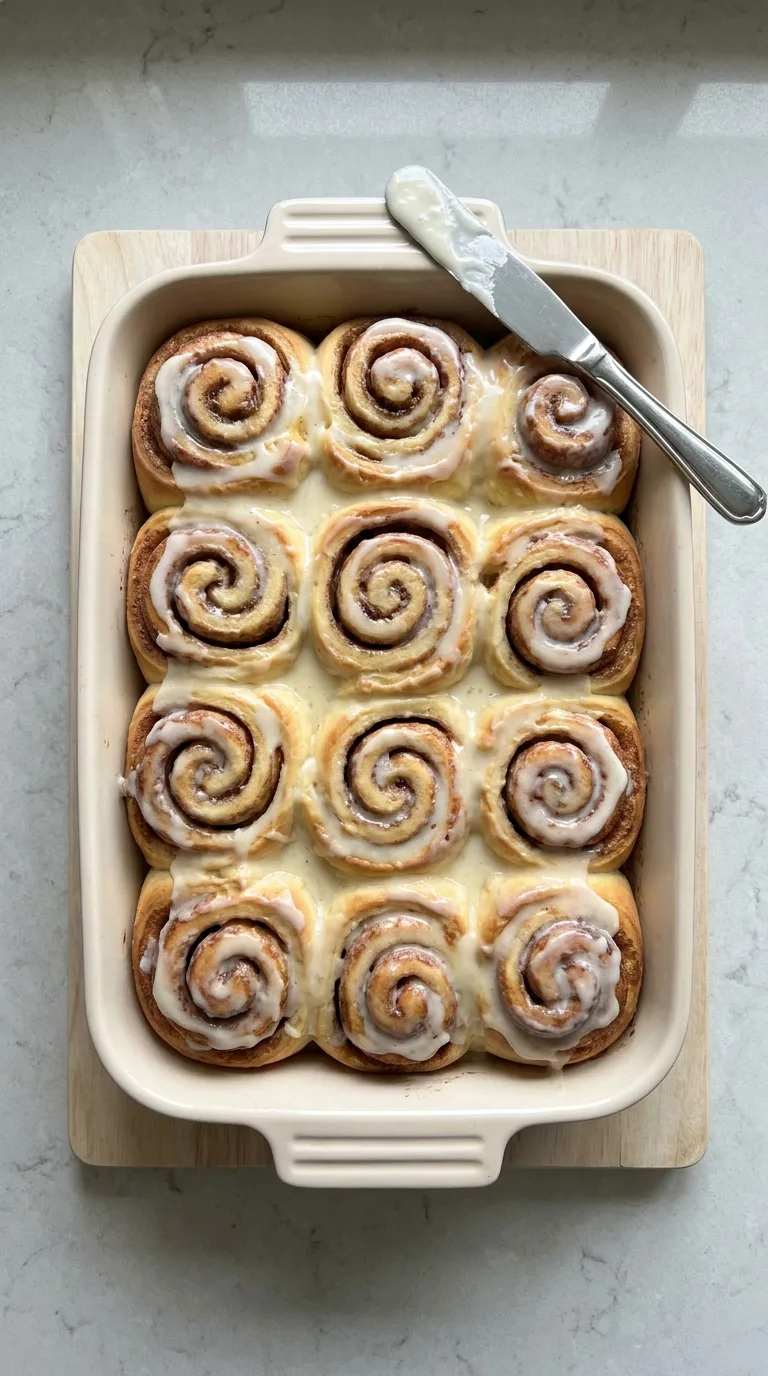
Storage, Freezing, and Make-Ahead Instructions
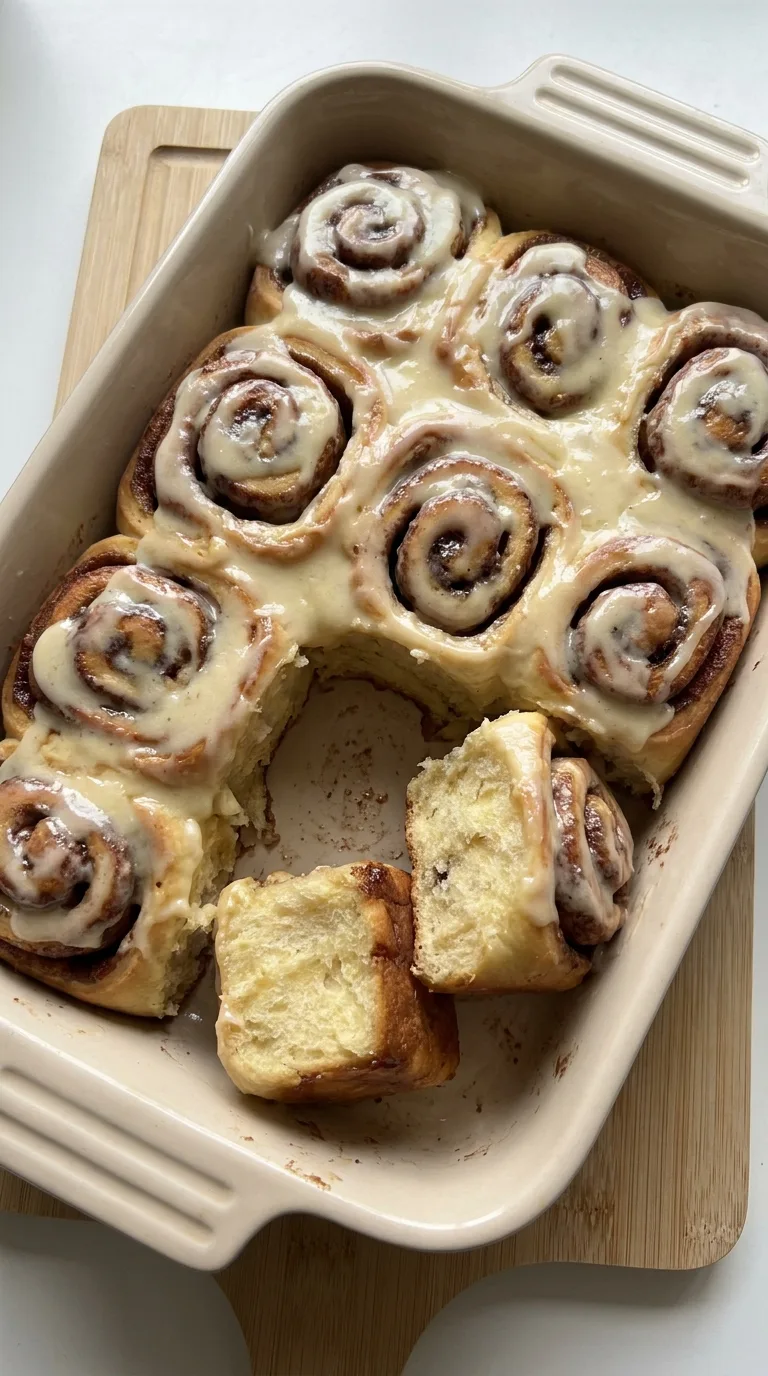
- Store cooled Cinnamon Rolls in an airtight container at room temperature for up to 2 days. Because the cream cheese glaze contains dairy, refrigerate glazed leftovers in an airtight container for up to 4 days.
- For the best texture, warm refrigerated rolls gently in the microwave for about 10 to 15 seconds before serving.
- To freeze, let the baked rolls cool completely and freeze them without the glaze in a freezer-safe container for up to 2 months. Thaw overnight in the refrigerator, then warm gently before glazing.
- For an overnight make-ahead option, prepare the rolls through Step 10, cover the pan tightly, and refrigerate for up to 12 hours. Let the pan sit at room temperature for about 30 to 45 minutes while the oven preheats, then bake as directed. The exact rise time may vary depending on how cold the dough is.
FAQ
Can I make Cinnamon Rolls the night before?
Yes. Prepare and shape the rolls, place them in the baking pan, cover tightly, and refrigerate for up to 12 hours. Let them warm and become slightly puffy before baking.
Why didn't my cinnamon rolls rise?
Inactive yeast, milk that was too hot or too cold, or a cool environment can slow or prevent rising. The dough should approximately double during the first rise and become noticeably puffy during the second rise.
Can I use instant yeast?
Yes. Use 2 1/4 teaspoons (7 g) instant yeast. It can be mixed directly with the flour, although you can still dissolve it in the warm milk if you prefer.
Why are my cinnamon rolls dense?
Adding too much flour is a common cause. The dough should remain soft and slightly tacky after kneading. Also make sure the dough has enough time to rise before shaping and baking.
Can I make these without cream cheese?
Yes. Replace the cream cheese with 2 additional tablespoons softened butter and adjust the milk as needed to make a smooth vanilla glaze. The result will be sweeter and less tangy.
Cinnamon Rolls
Ingredients
Ingredients
- 1 cup whole milk (240 ml) warmed to about 105°F (40°C)
- 2 1/4 teaspoons active dry yeast (7 g) 1 standard packet
- 1/4 cup granulated sugar (50 g)
- 1/4 cup unsalted butter (57 g) melted and cooled slightly
- 1 large egg (50 g) room temperature
- 1 teaspoon vanilla extract (5 ml)
- 3 1/2 cups all-purpose flour (420 g) plus more for the work surface if needed
- 1 teaspoon kosher salt (6 g)
- 1/2 cup packed light brown sugar (100 g)
- 2 tablespoons ground cinnamon (16 g)
- 1/4 cup unsalted butter (57 g) softened
- 4 ounces cream cheese (113 g) softened
- 2 tablespoons unsalted butter (28 g) softened
- 1 cup powdered sugar (120 g)
- 2 tablespoons whole milk (30 ml)
Instructions
Method
- Activate the yeast: Warm the milk to about 105°F (40°C); it should feel warm but not hot. Stir in the yeast and 1 tablespoon of the granulated sugar. Let stand for 5 to 10 minutes, until the surface looks slightly foamy. If there is no sign of activity, the yeast may be inactive and should be replaced.
- Make the dough: Add the remaining sugar, melted butter, egg, and vanilla to the yeast mixture. Stir to combine. Add the flour and kosher salt and mix until a shaggy dough forms.
- Knead until smooth: Transfer the dough to a lightly floured surface and knead for about 7 to 9 minutes, or until it becomes smooth, elastic, and slightly tacky. If the dough is extremely sticky, add flour 1 tablespoon at a time; avoid adding large amounts because a stiff dough can produce dense rolls.
- First rise: Place the dough in a lightly greased bowl and cover it with a clean kitchen towel or plastic wrap. Let it rise in a warm, draft-free place for about 60 to 75 minutes, or until approximately doubled in size.
- Prepare the filling and pan: While the dough rises, combine the brown sugar and cinnamon in a small bowl. Grease a 9 x 13-inch (23 x 33 cm) baking pan. Keep the softened butter ready for spreading.
- Roll out the dough: Turn the risen dough onto a lightly floured surface and gently press out excess air. Roll it into a rectangle approximately 15 x 12 inches (38 x 30 cm), with the long side facing you. Try to keep the thickness even.
- Add the cinnamon filling: Spread the softened butter evenly over the dough, leaving about a 1/2-inch (1.3 cm) border along one long edge. Sprinkle the cinnamon-brown sugar mixture evenly over the butter.
- Roll the dough: Starting from the long edge opposite the clean border, roll the dough tightly into a log. Keep the roll firm enough to create defined spirals without squeezing the filling out. Pinch the seam gently closed.
- Cut the rolls: Trim the ends if they are uneven. Cut the log into 12 equal pieces using a sharp knife or unflavored dental floss. Arrange the rolls cut-side up in the prepared pan, leaving a little space between them.
- Second rise: Cover the pan and let the rolls rise for about 30 to 45 minutes, until noticeably puffy and the gaps between the rolls have mostly filled. They do not need to fully double again.
- Bake: Preheat the oven to 350°F (175°C). Bake the rolls for 22 to 27 minutes, until the tops are lightly golden and the centers are cooked through. If the tops brown too quickly, loosely cover the pan with foil during the final portion of baking.
- Make the glaze: While the rolls bake, beat the softened cream cheese and butter until smooth. Add the powdered sugar and vanilla and mix until creamy. Add the milk gradually until the glaze is thick but spreadable.
- Glaze and serve: Let the rolls cool in the pan for about 5 to 10 minutes. Spread the cream cheese glaze over the warm rolls so it melts slightly into the tops. Serve warm.
- Chef: Do not overheat the milk; it should be warm but not hot to avoid damaging the yeast.
- Use dental floss for clean cuts when slicing the rolls.
- Glaze while warm for the best texture and flavor absorption.


